
Expert guides
Vision Correction Procedures
Understand your options, compare techniques, and find the right clinic for your treatment.
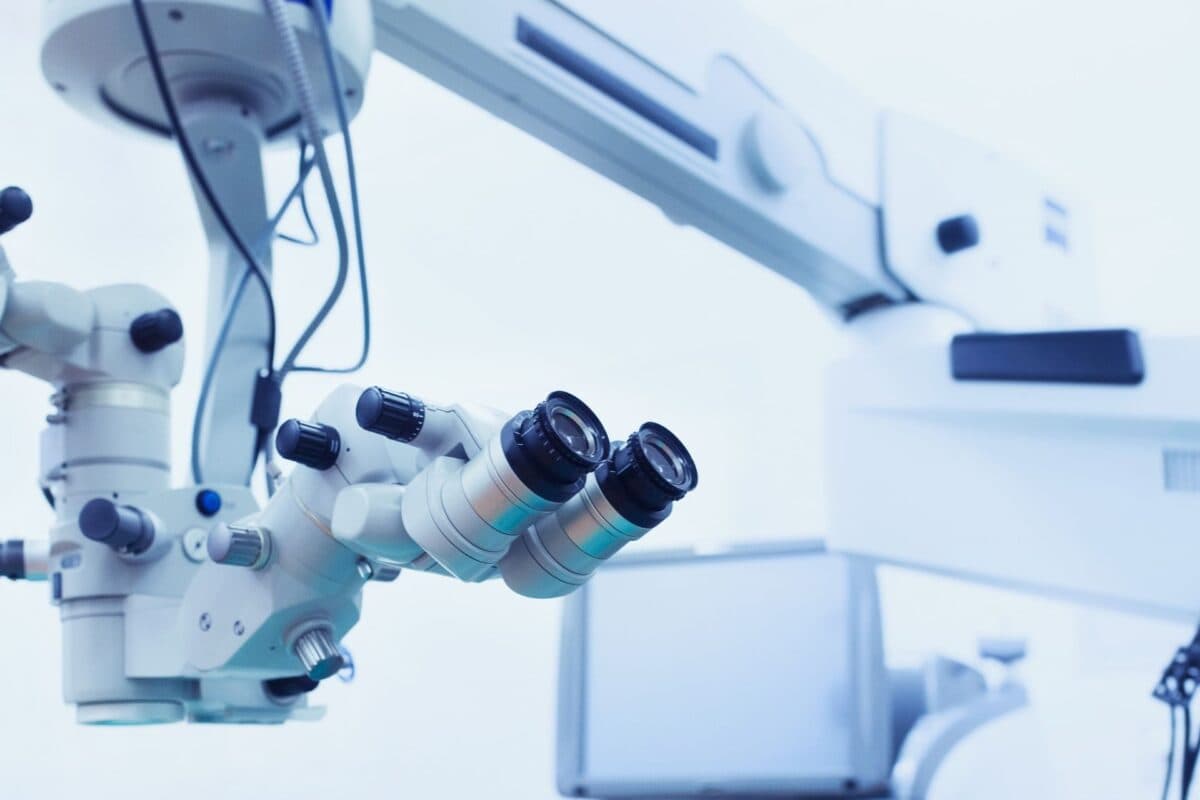
Laser Eye Surgery
15-30 min procedure
LASIK, SMILE, PRK and LASEK — reshape your cornea to correct refractive errors and achieve clear vision without glasses or contacts.

Cataract Surgery
15-20 min procedure
Remove cloudy lenses and restore crystal-clear vision with modern phacoemulsification and premium intraocular lens implants.

Lens Replacement
20-30 min procedure
Refractive Lens Exchange (RLE) and Implantable Collamer Lenses (ICL) for patients with high prescriptions or those not suitable for laser surgery.

Glaucoma Treatment
15-60 min procedure
Advanced surgical and laser treatments to reduce intraocular pressure and protect your vision from glaucoma damage.
Not sure which procedure is right for you?
Browse our clinic directory to find verified specialists who can help you decide.
Find a Clinic